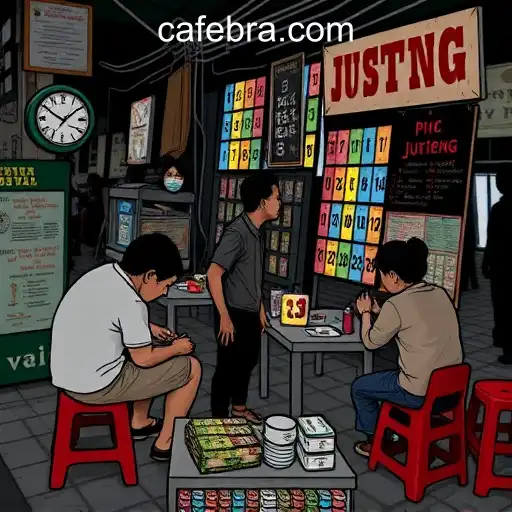
The Complex Landscape of Jueteng in the Philippines
Jueteng, an illicit numbers game, is deeply embedded in the fabric of Philippine society. This underground lottery, often compared to the numbers game in the United States, has captured the public's imagination and the government's attention for decades. Despite its illegal status, jueteng continues to prosper, fueled by societal norms, economic struggles, and various controversies.
Understanding Jueteng
Jueteng is a numbers game similar to a local lottery, typically involving the selection of a combination of numbers. Participants bet on their chosen numbers, hoping for a draw that matches their selection. If their numbers are drawn, they win a prize significantly higher than the amount they wagered. The simple mechanics of the game, combined with the low entry cost, contribute to its widespread popularity.
The allure of jueteng lies in the accessibility it offers. Unlike official lotteries, which may require digital access or traveling to licensed outlets, jueteng thrives in grassroots communities. Anyone, from street vendors to urban dwellers, can participate, making it an integral part of daily life for many Filipinos.
The Ethical Quandary of Jueteng
Despite its popularity, jueteng exists in a legal gray area. Officially, it is illegal, yet enforcement has been sporadic and often selective. This inconsistency raises questions about the ethical implications of betting and gambling within society. On one hand, it provides financial hope and social interaction. On the other hand, it can lead to financial ruin and organized crime involvement.
Economic Facets of Jueteng
Economically, jueteng offers both opportunities and pitfalls. For many marginalized Filipinos, the game represents a chance to escape poverty. The allure of turning a small bet into a significant windfall is compelling, especially in a country where economic inequality is stark. Local bet collectors and those involved in the operation also earn livelihoods, further embedding jueteng in the local economy.
Political Connections
Jueteng's entanglement with politics is another layer of its complexity. It has been alleged that some politicians use the game to gain support, leveraging their control over local operations. These relationships are multifaceted, with politicians allegedly receiving financial support from jueteng operations in exchange for protection.
These interactions complicate efforts to eradicate jueteng, as political figures with vested interests in its continuation often obstruct regulation efforts. This political backing creates an opaque system that is difficult for law enforcement to penetrate, allowing the game to flourish.
The Role of Technology in Jueteng
The advancement of technology presents both challenges and opportunities for jueteng operations. While traditional paper-based methods are still prevalent, the digital age offers jueteng operators new ways to organize and expand their networks. The potential for online platforms to host similar gambling ventures cannot be overlooked, raising questions about regulation and enforcement in the digital realm.
In this context, platforms like "Cafe.Bet Oficial Slots Brasil #1" provide insights into how gambling entities can transition from traditional models to digital. While Cafe.Bet focuses on legal gambling opportunities, its existence highlights the potential for jueteng to evolve similarly if brought under legal frameworks.
Efforts to Curb Jueteng
The Philippine government has made various efforts to curb jueteng, from public campaigns to more stringent enforcement of anti-gambling laws. However, these initiatives often fall short due to the deeply rooted nature of the game and its associated political connections.
Some suggest regulating and legalizing jueteng as a means to better control and tax the activity. This approach could potentially reduce corruption and provide additional state revenue, but it also risks legitimizing an activity that has long been associated with illegal operations.
Community Impact
The impact of jueteng on communities is profound. While it provides entertainment and economic opportunities, it can also foster dependency and financial instability. Families and individuals may become trapped in a cycle of gambling, hoping for a win that often remains just out of reach. The social fabric can be torn apart as individuals prioritize gambling over more sustainable economic activities.
Community leaders and organizations play a pivotal role in shaping attitudes toward jueteng. Grassroots movements can influence perceptions, encouraging more responsible participation or advocating for alternative forms of recreation and community engagement.
Jueteng's Cultural Significance
Beyond economics and legality, jueteng holds a cultural significance that cannot be ignored. It embodies a form of resistance against officialdom, a nod to the underdog spirit common in many Filipino narratives. It serves as a cultural touchstone, a reminder of the complex dance between legality, community, and identity in the Philippines.
In summary, jueteng represents a multifaceted issue that transcends mere gambling. It involves economic survival, political intrigue, cultural identity, and ethical considerations. As the Philippines continues to grapple with this phenomenon, finding a balanced approach that respects the needs of individuals while addressing the broader societal implications remains a significant challenge.